This website is designed for desktop.
The mobile version is still in progress and may be missing some content.
Poster, website, video, logo, book
This project was created during my final year at CPNE, Applied Arts department,
in La Chaux-de-Fonds. We were asked to produce a website, a video, and a research book based on the theme of
heritage. I chose to focus on the idea of ecological heritage.
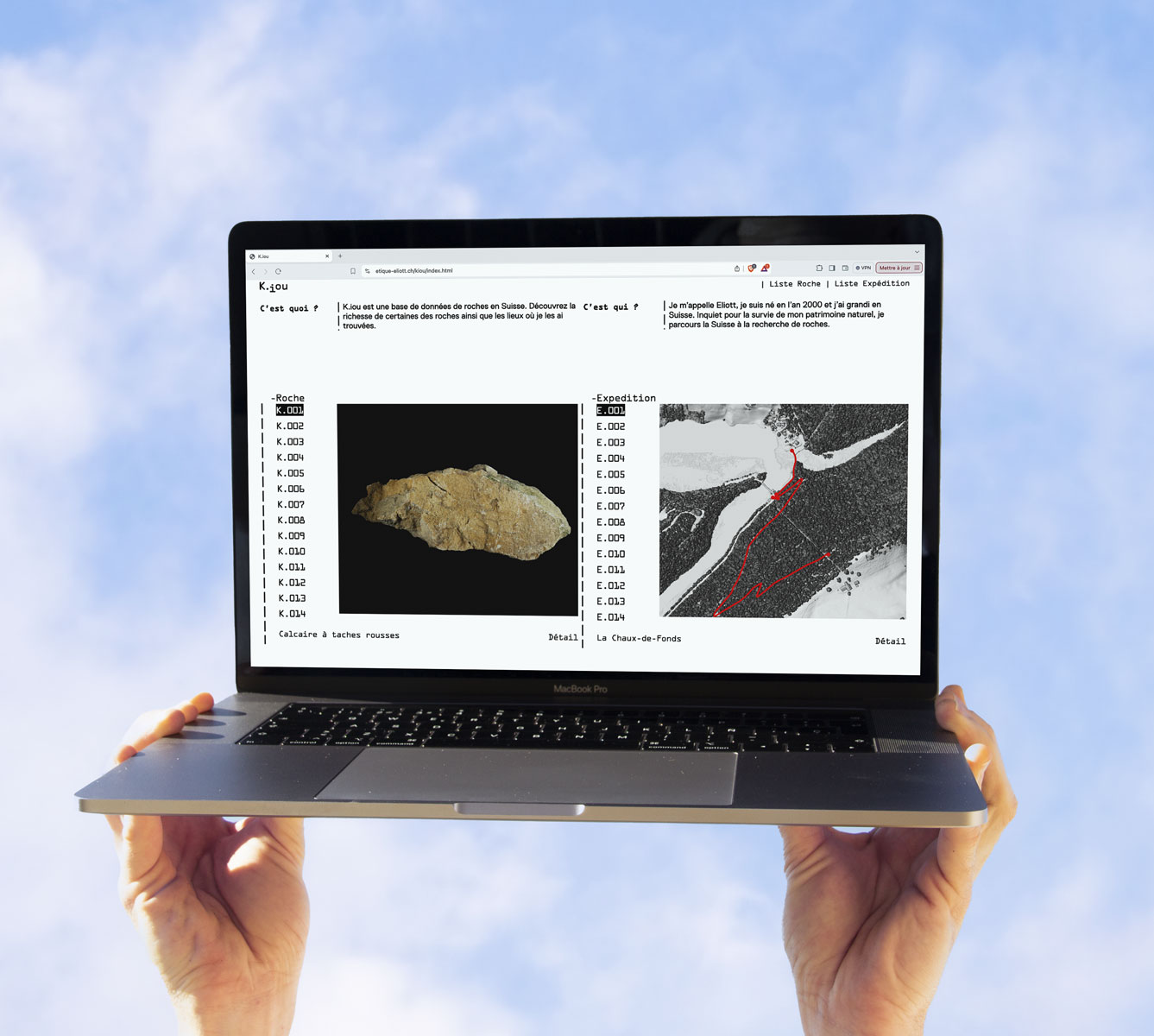
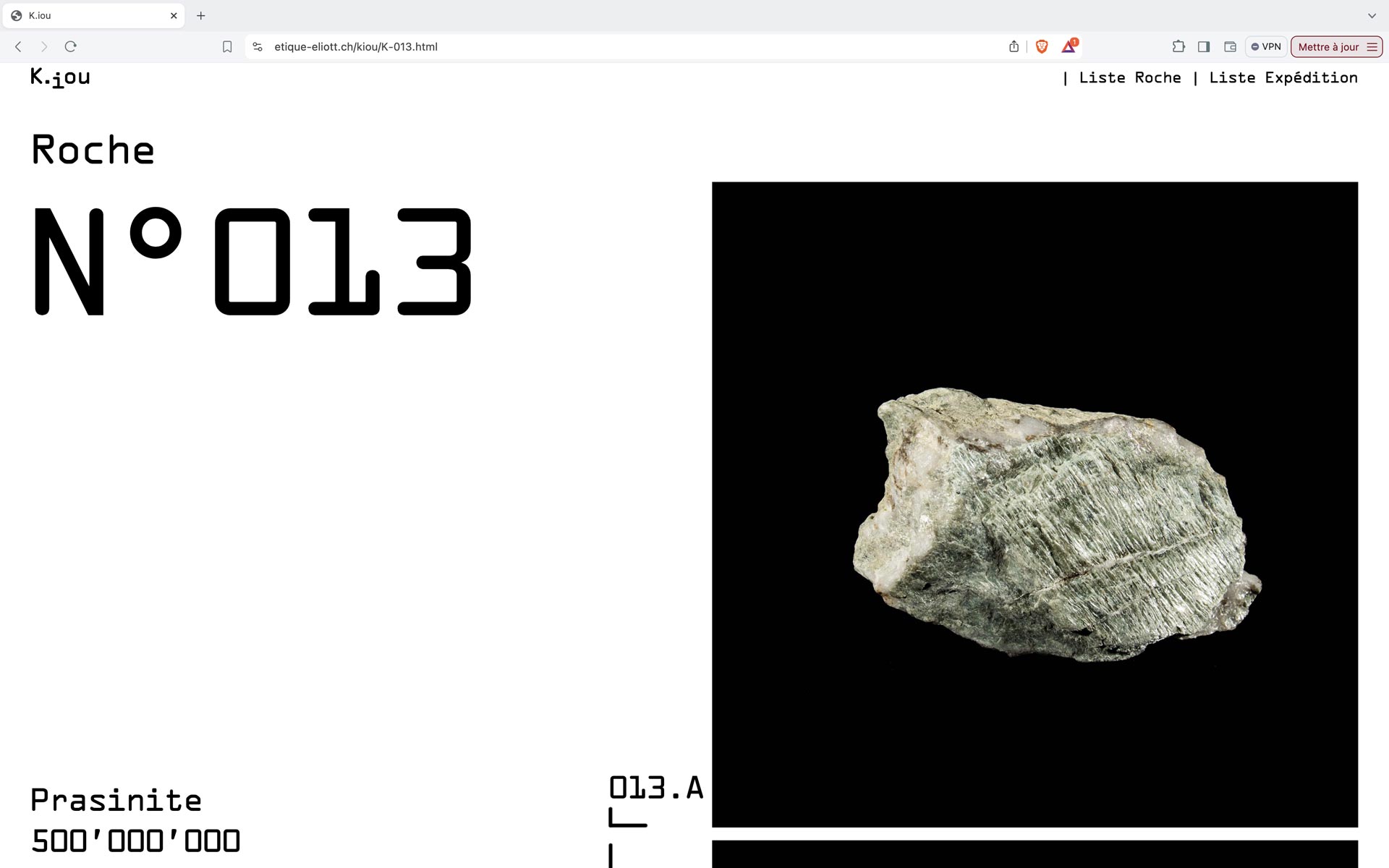
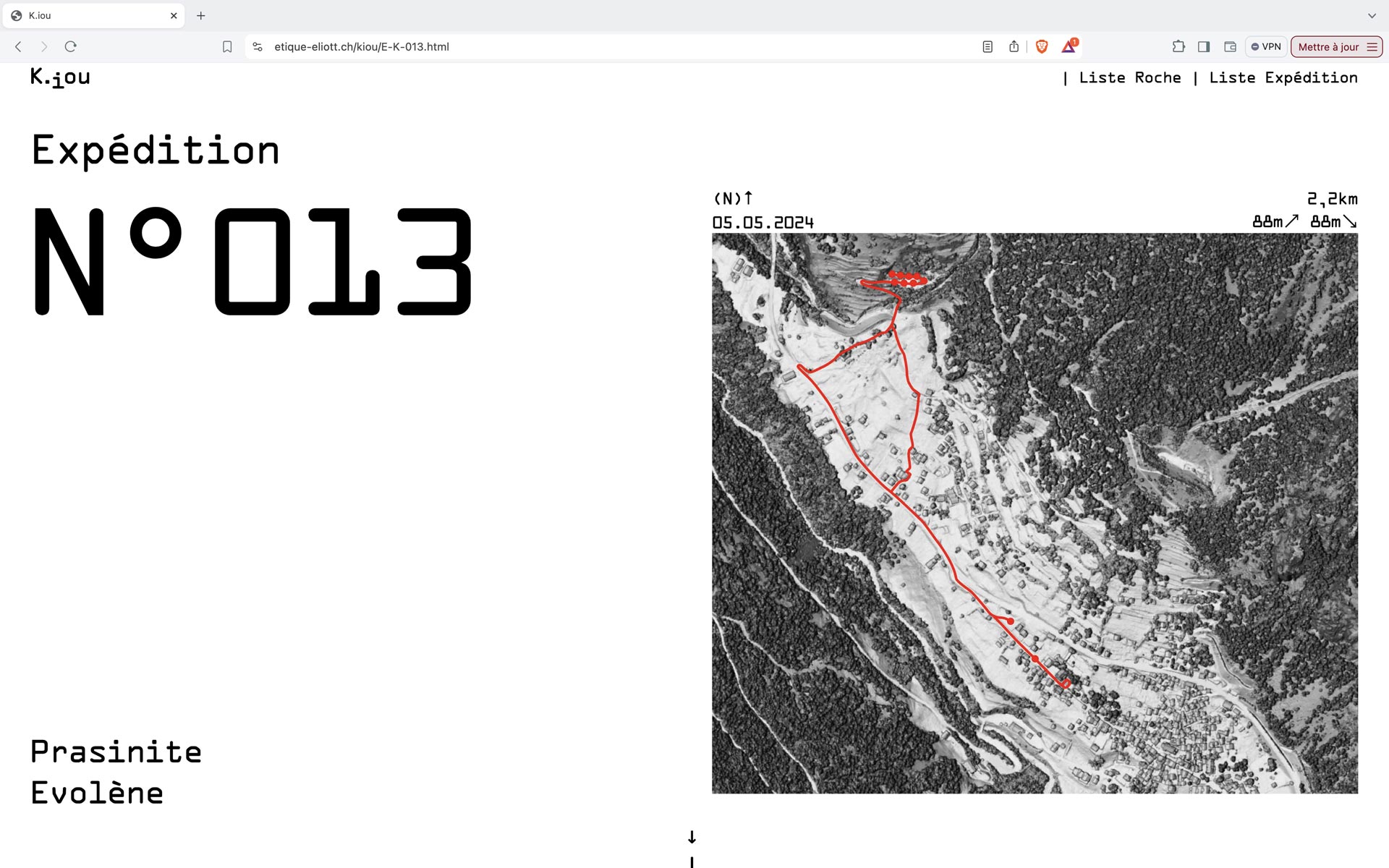
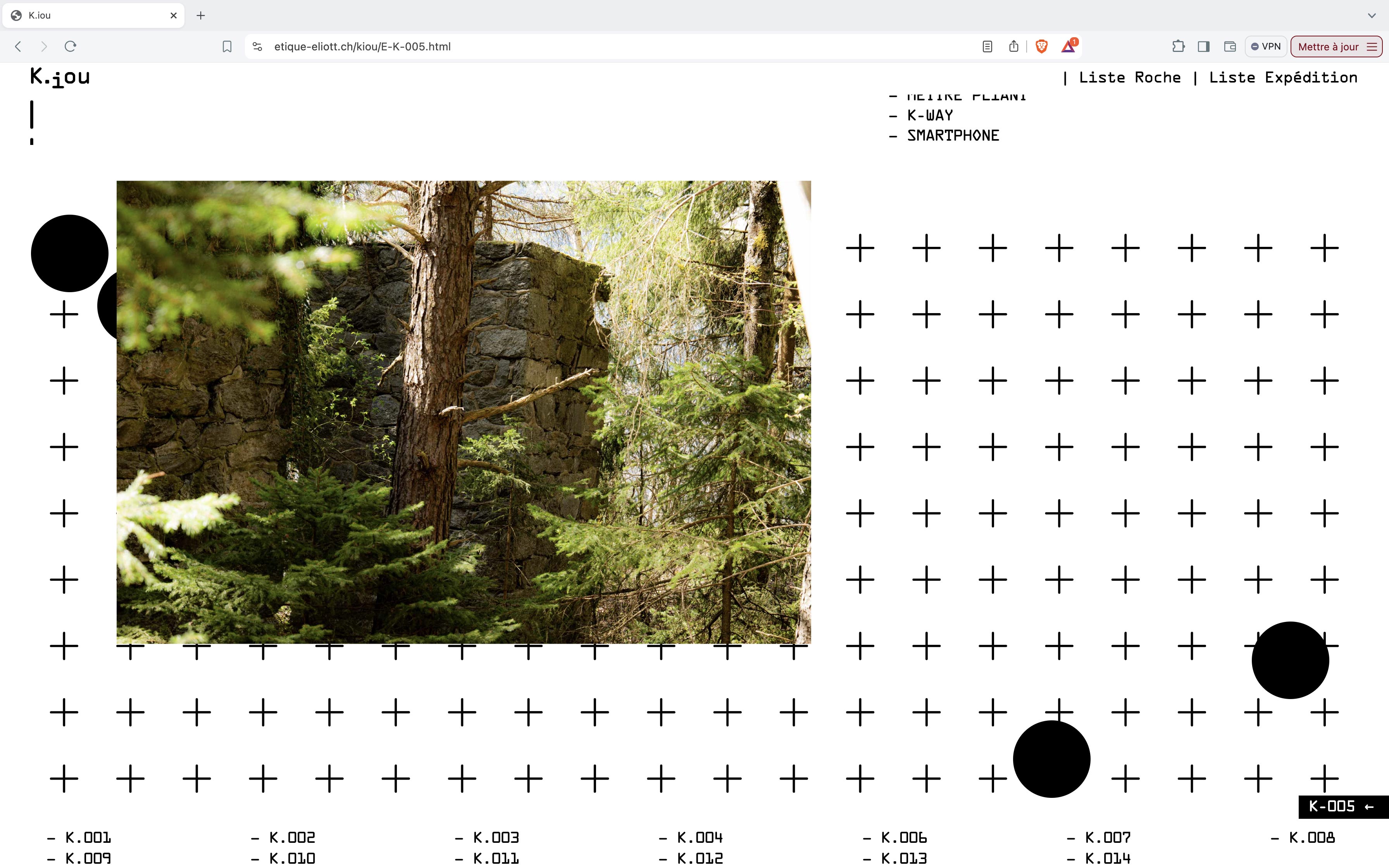
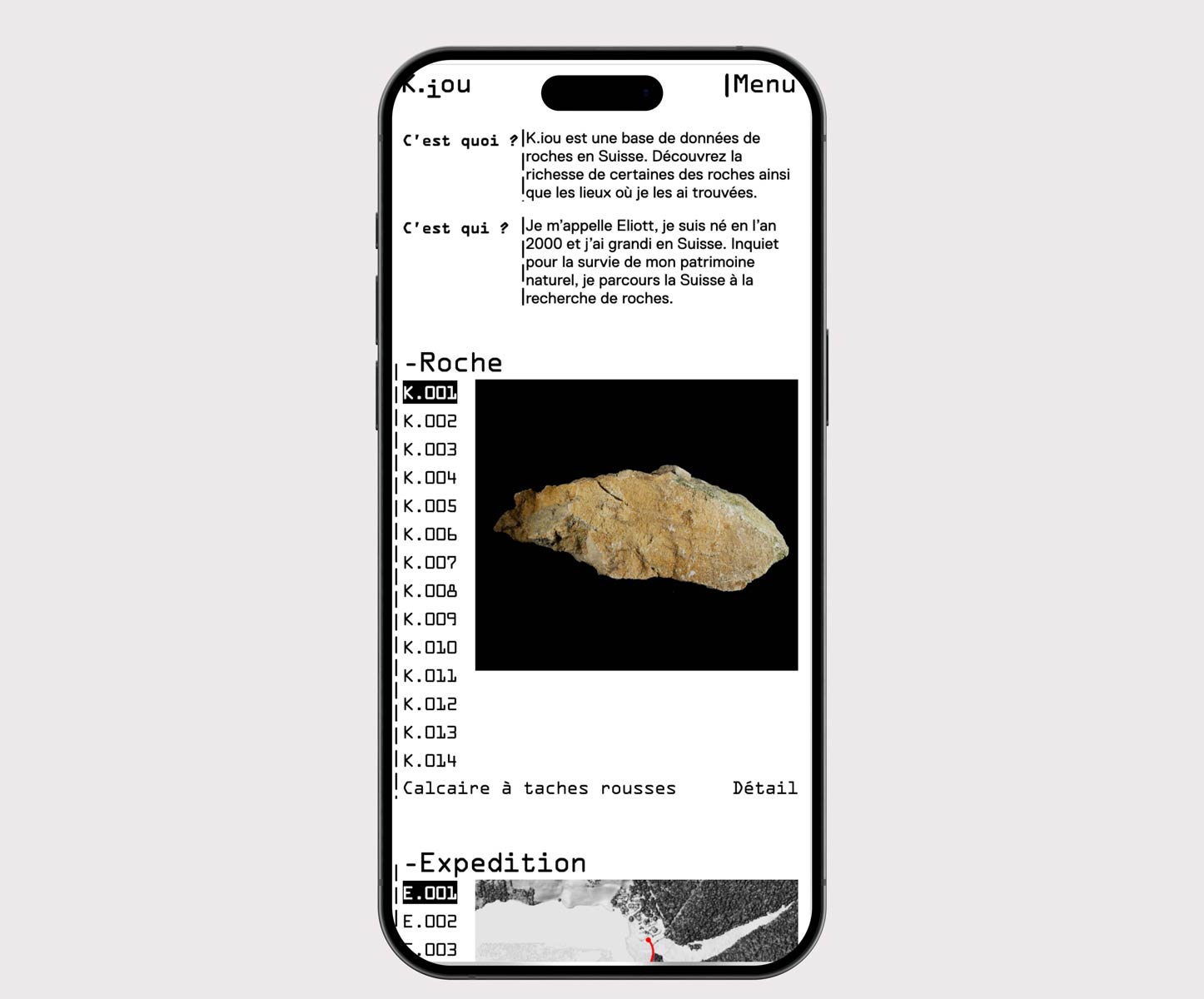
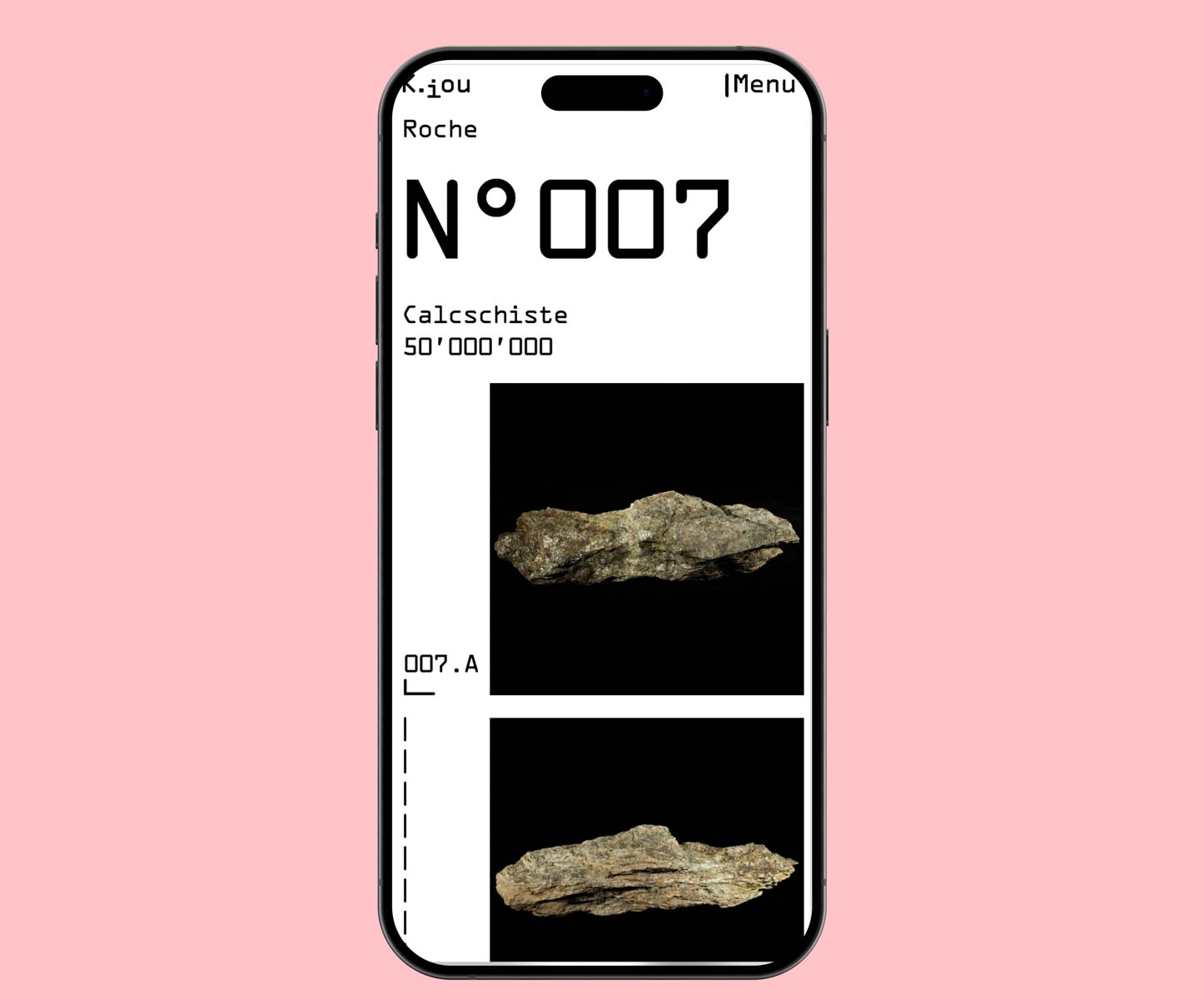
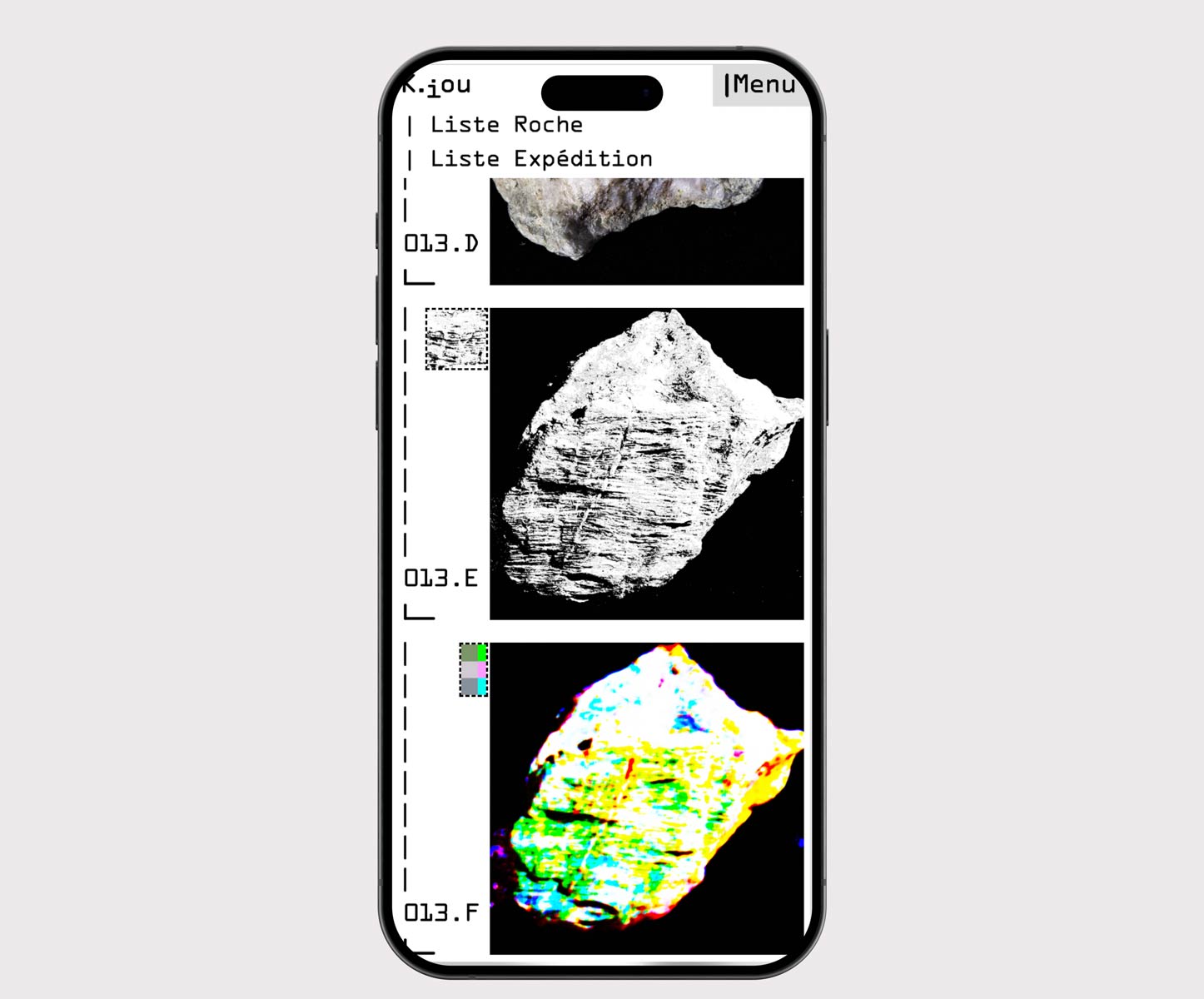
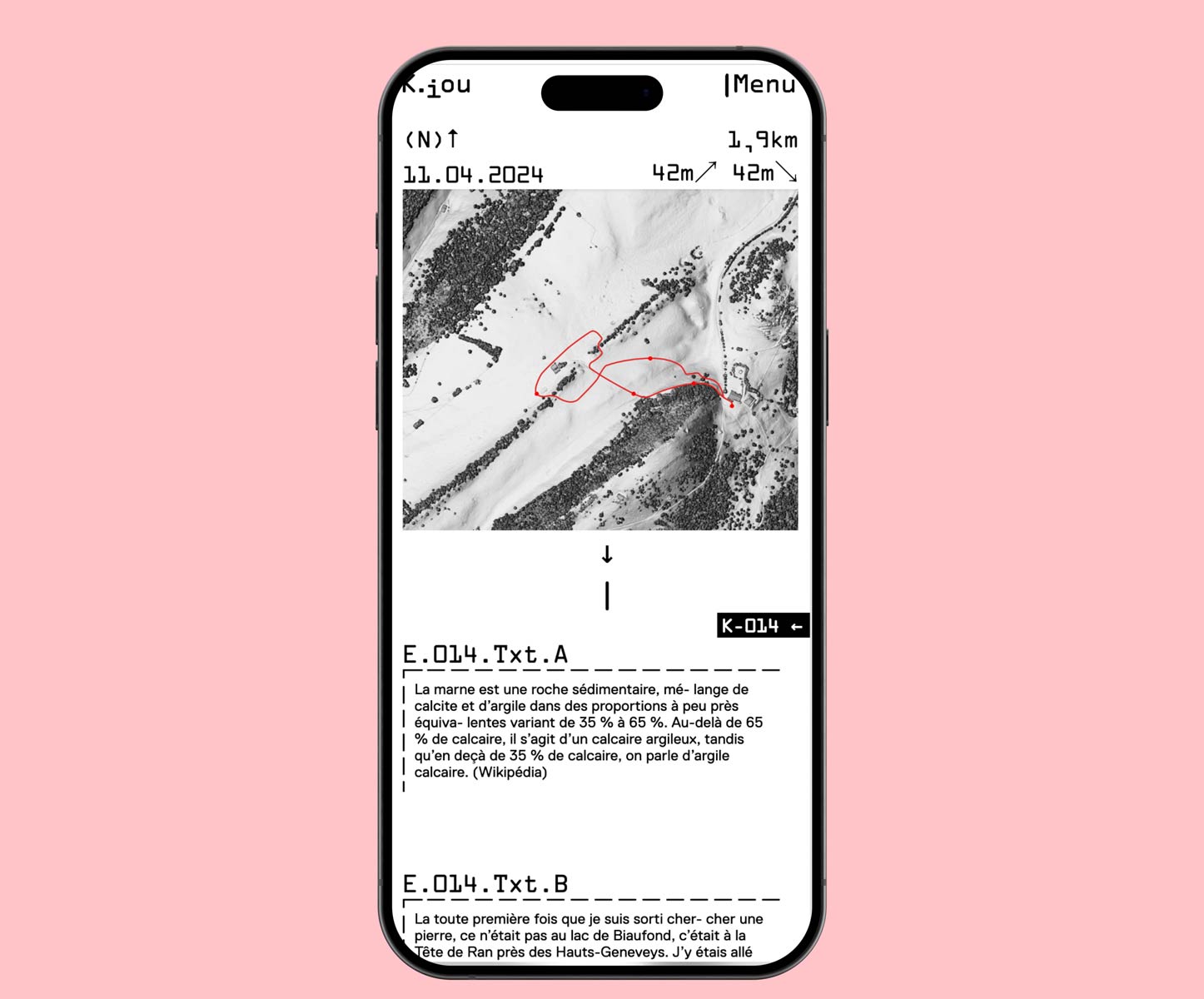
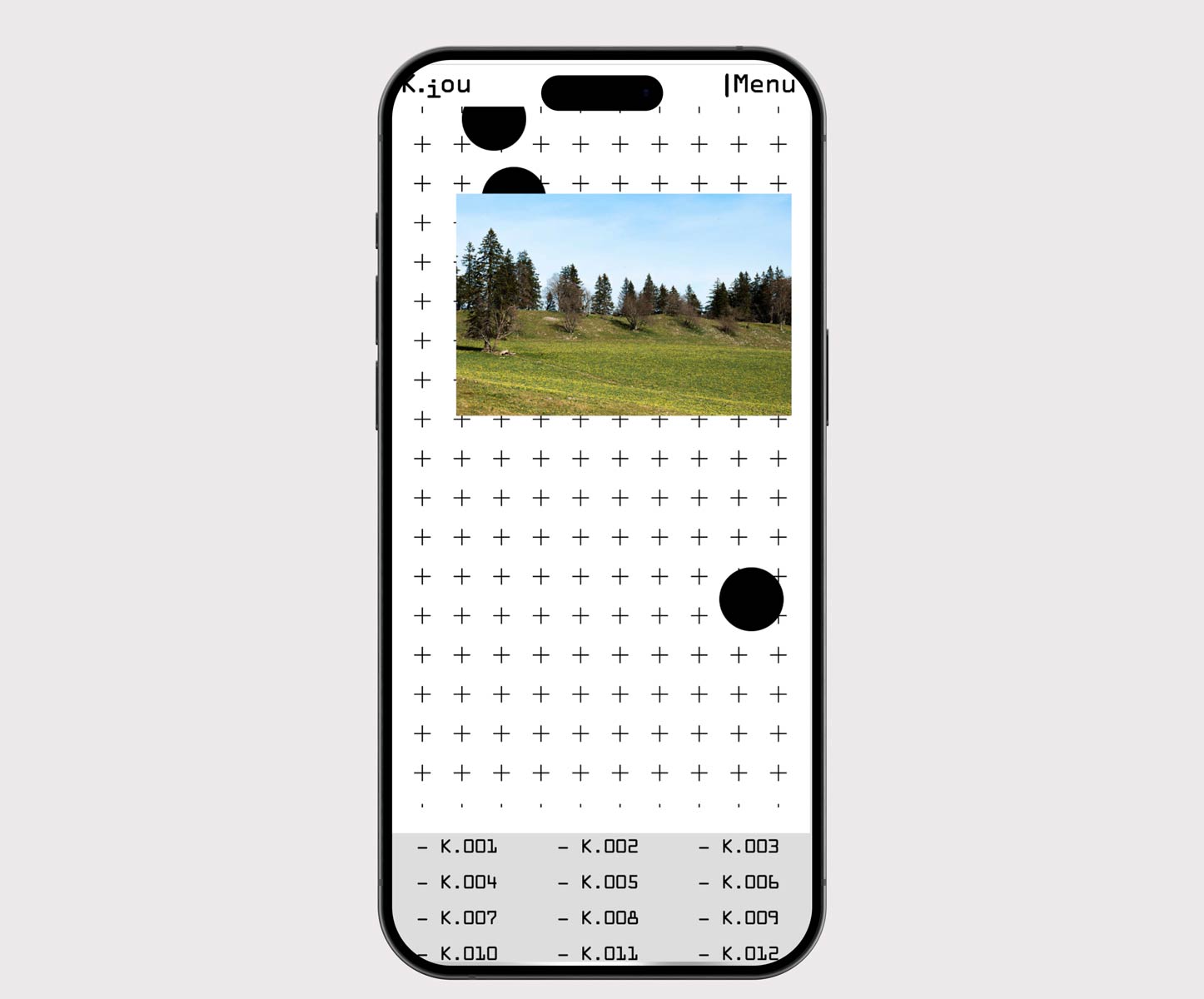
Functioning both as a time capsule and as a rock database, the website allows users to follow several hikes
across Switzerland, accompanied by my thoughts throughout these walks. As a young Swiss person, sensitive to
nature, living in a world where ecology is becoming less and less important, I felt the need to share my
time with future generations.
I imagined the end of nature as we know it, where minerals have become almost the only remaining elements in
our landscapes. Our society having destroyed all traces of living beauty, this database aims to teach people
how to recognize rocks and appreciate their specific characteristics.
The main pillar of the project is, of course, the website. The video accompanies it as a communication tool,
particularly for social media. The research book is presented as a complete publication. It explains the
creation process of the project to an audience unfamiliar with graphic design and even includes several
elements that are not featured on the website.
Website, video, logo, book
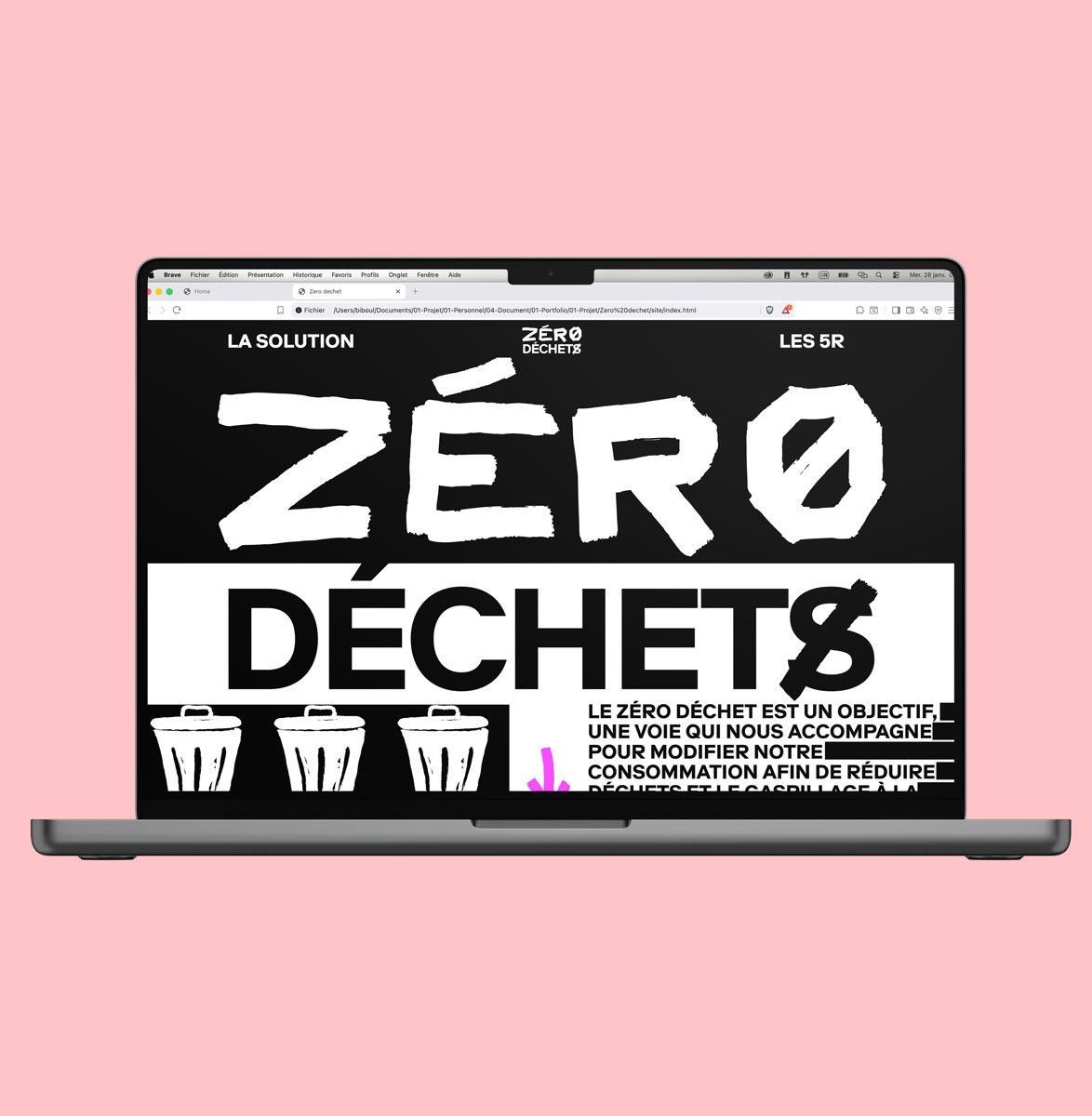
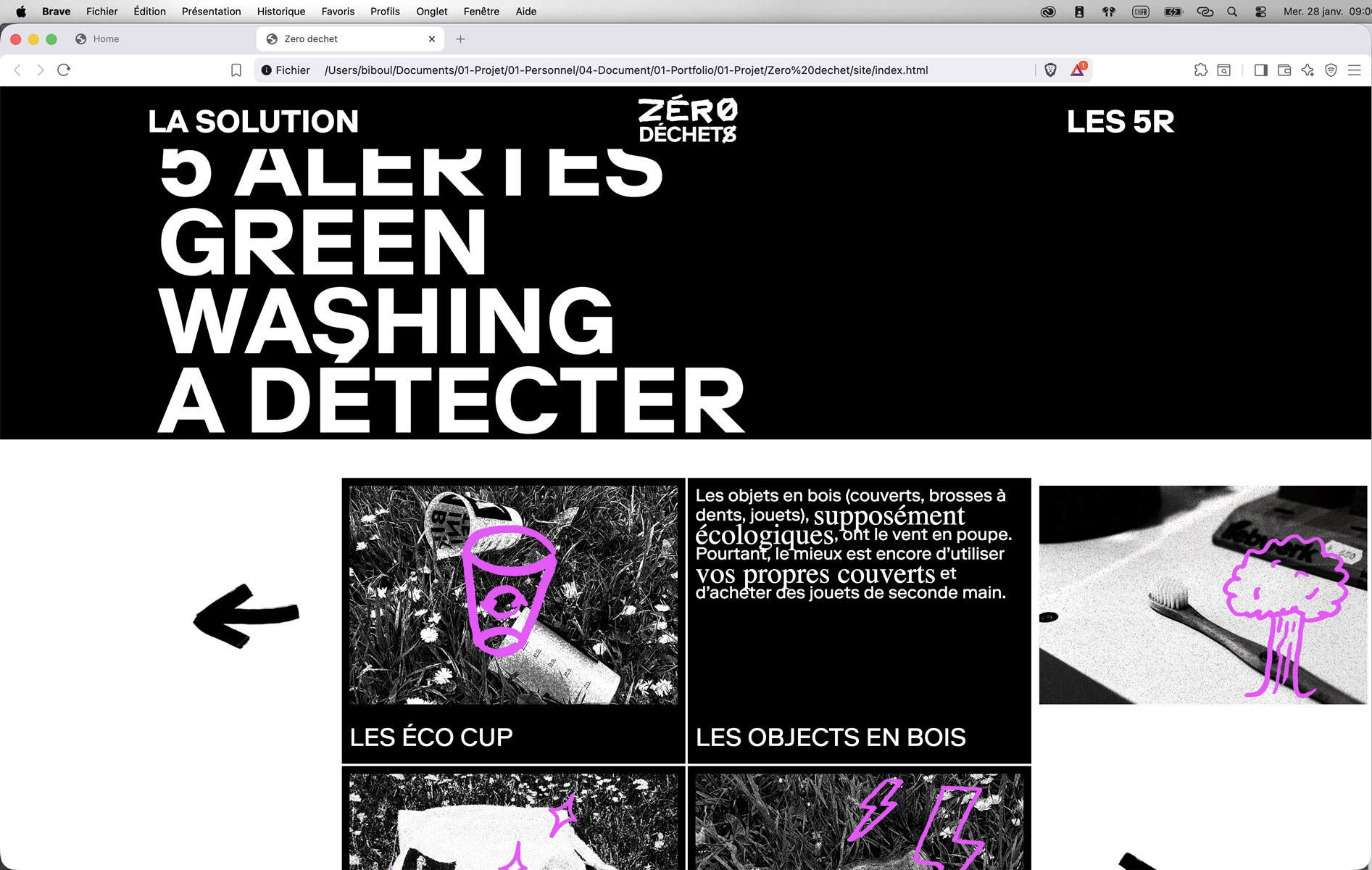
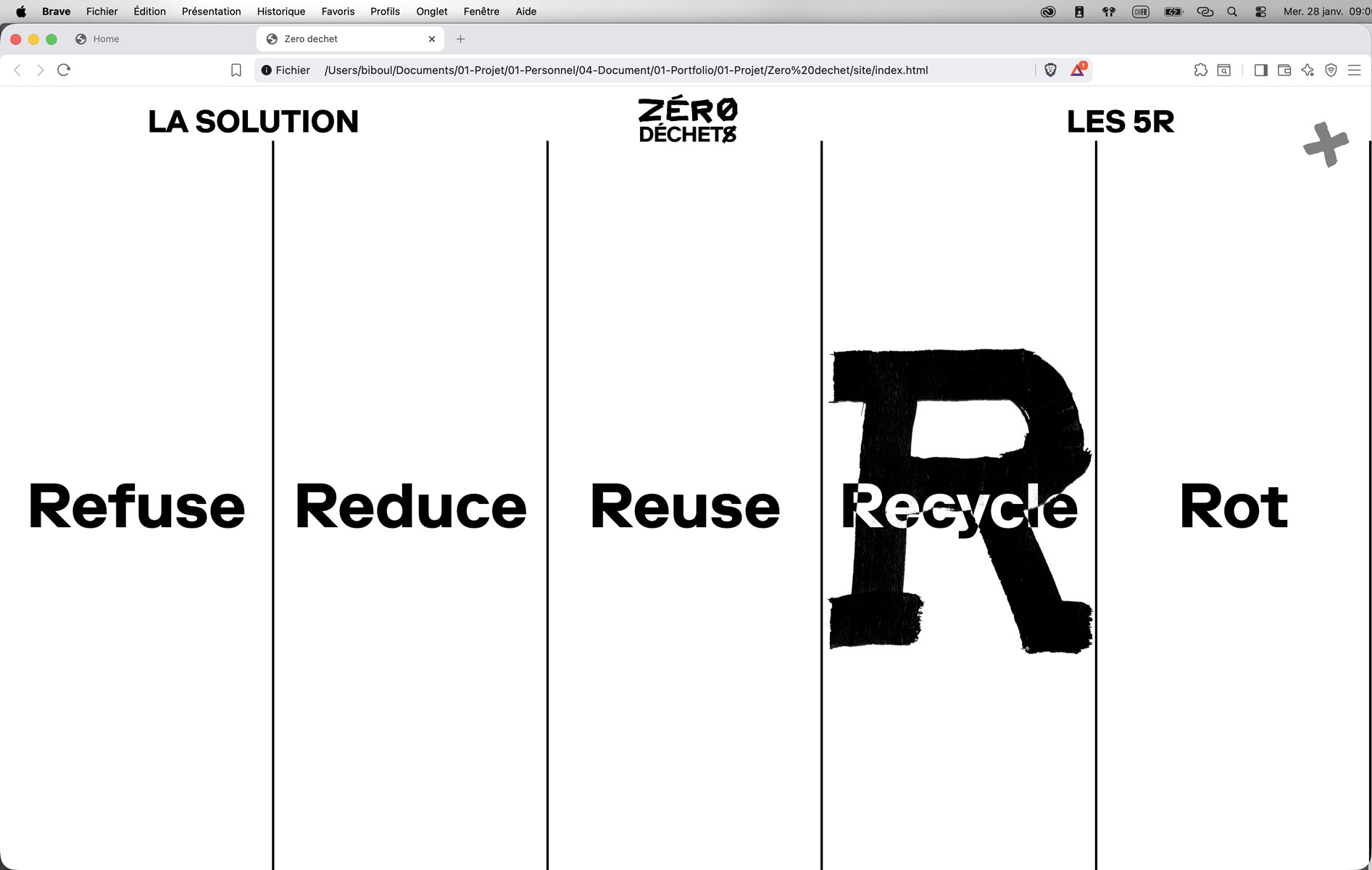
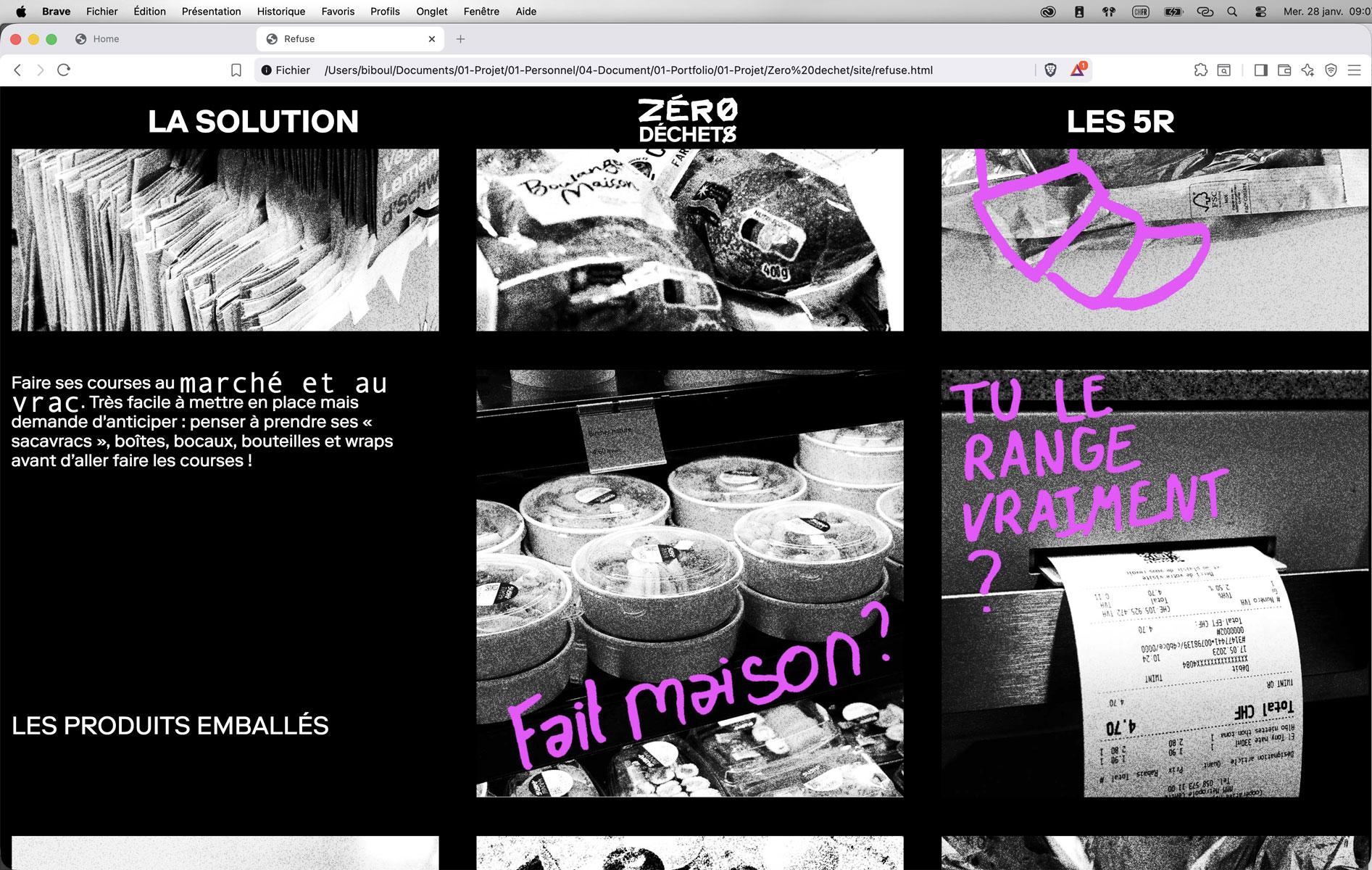
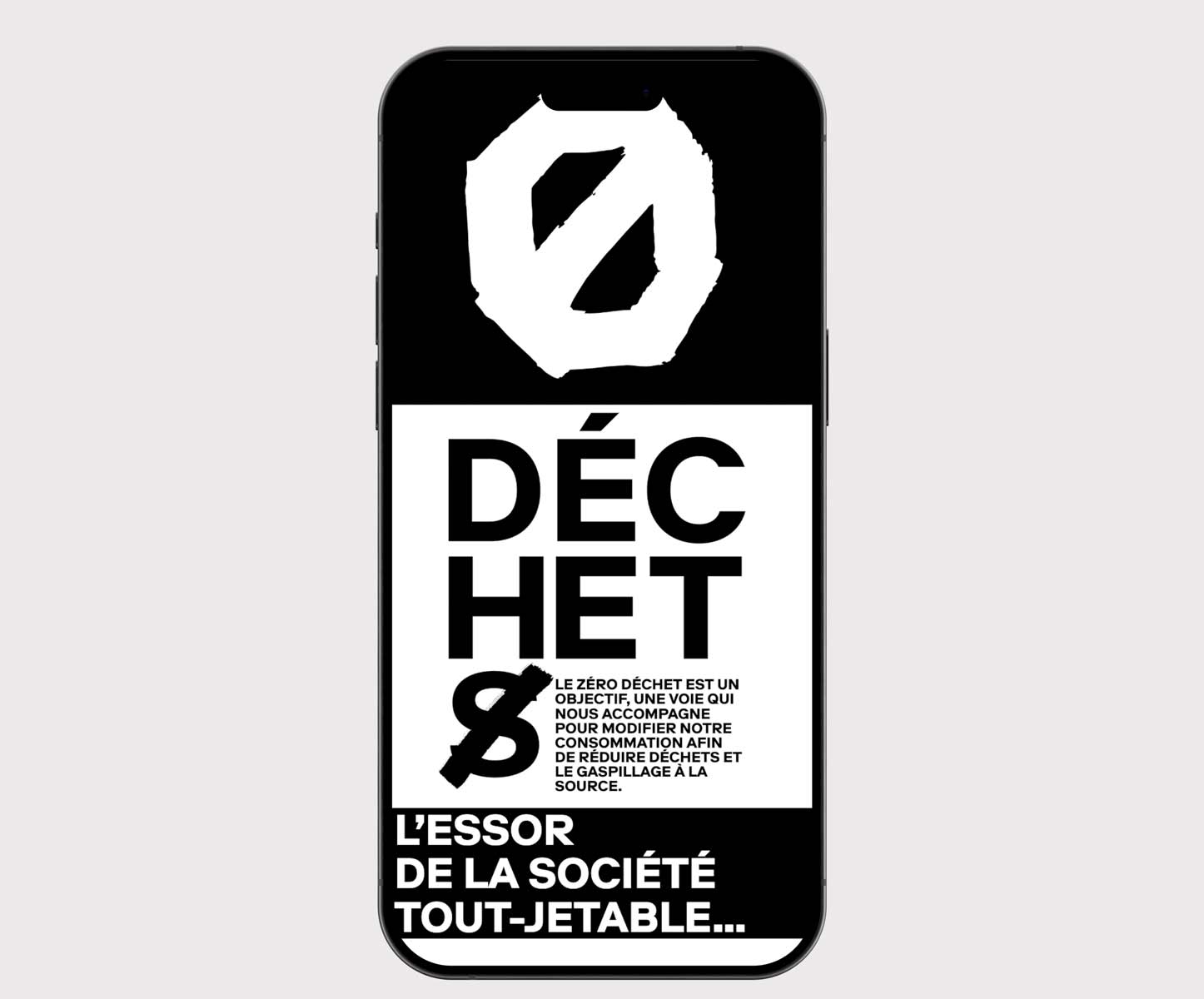
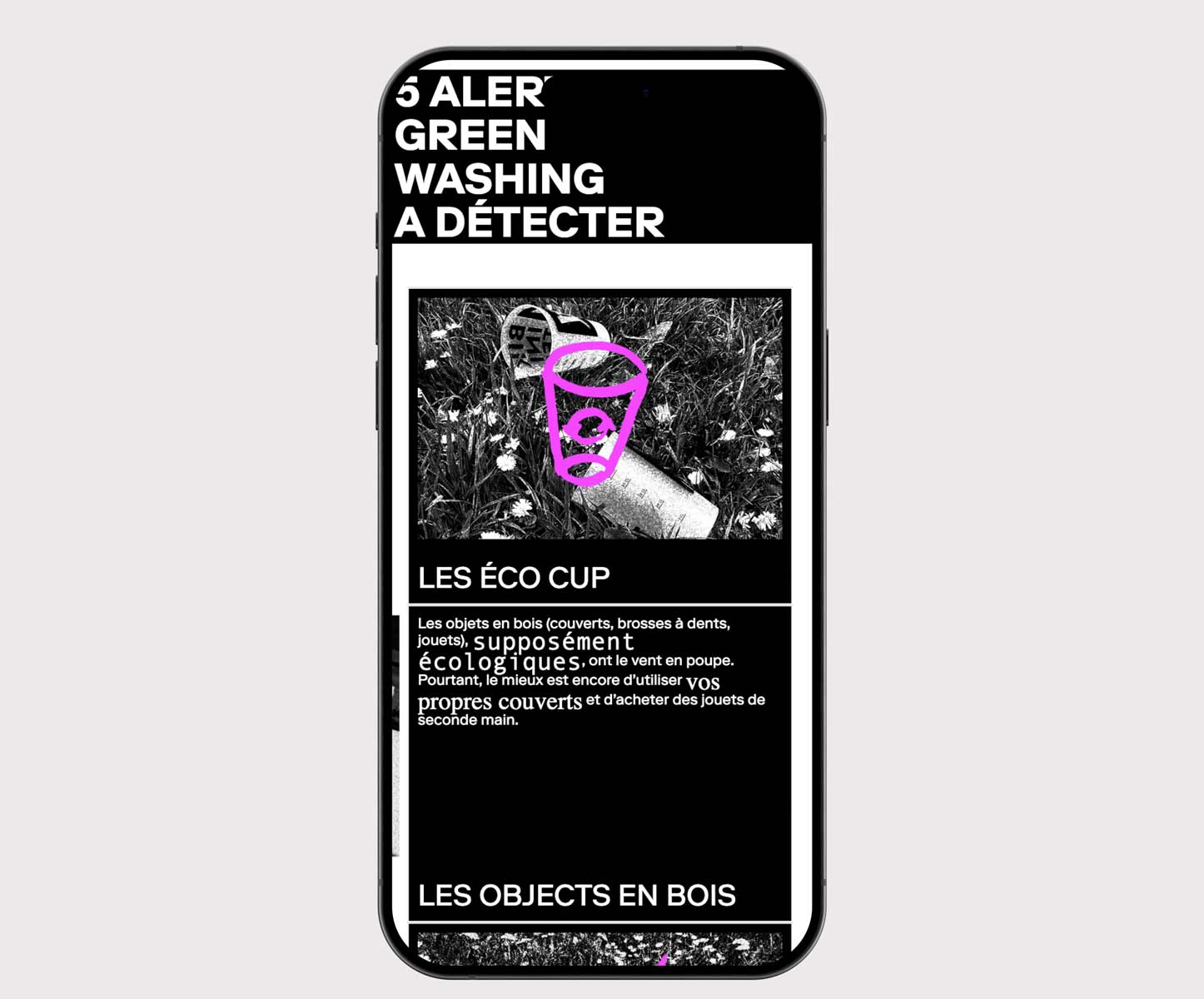
This was my third-year exam. We had to create a logo, a website, a video, and
the rest of the visual identity. The client was the association Zéro Déchet, whose goal is to raise
awareness about how to deal with waste and how to reduce it as much as possible.
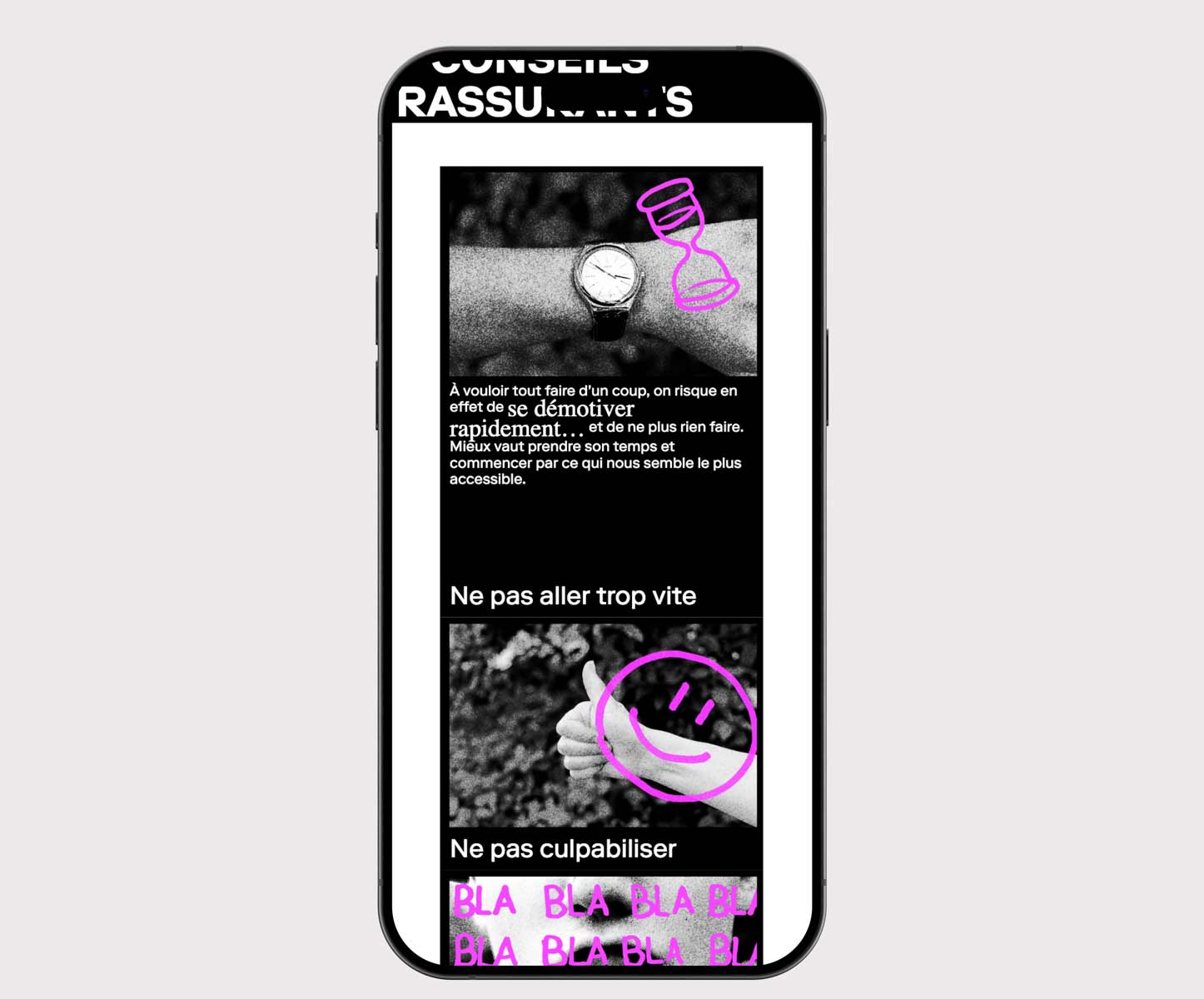
I developed the project with inspiration from punk aesthetics: bold typography, strong contrasts, and
handwritten elements made with a marker. Everything was designed to work as a coherent system, from the
different typographic styles to the music used in the video.
For the soundtrack, I remixed a track by a metal band and added recorded garbage noises, such as a plastic
bag or two aluminum cans smashing into each other. A custom typeface was also created alongside this
project, based on a hand-drawn lettering style. This was my first time using Glyphs.
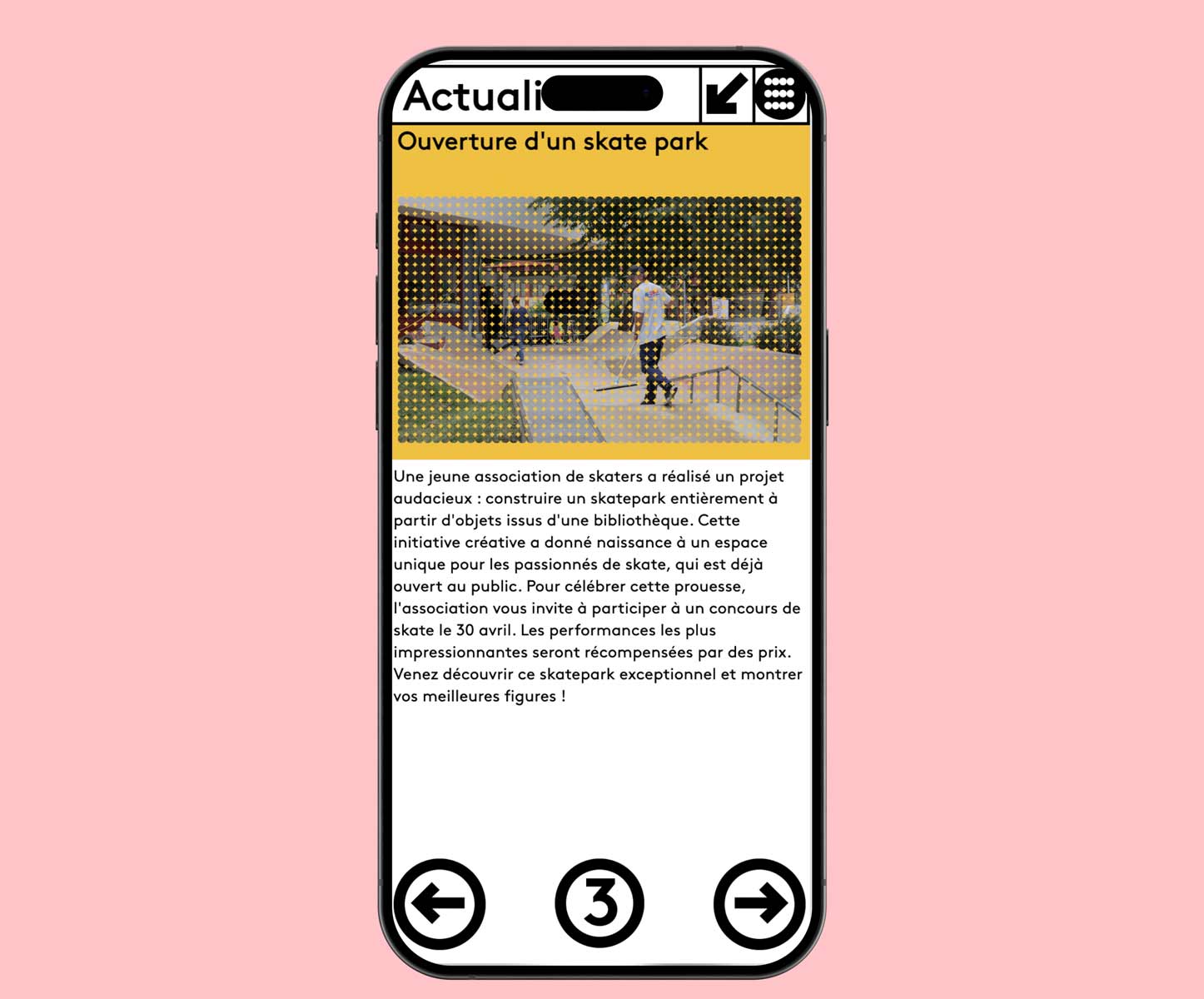
One page Website, video, logo
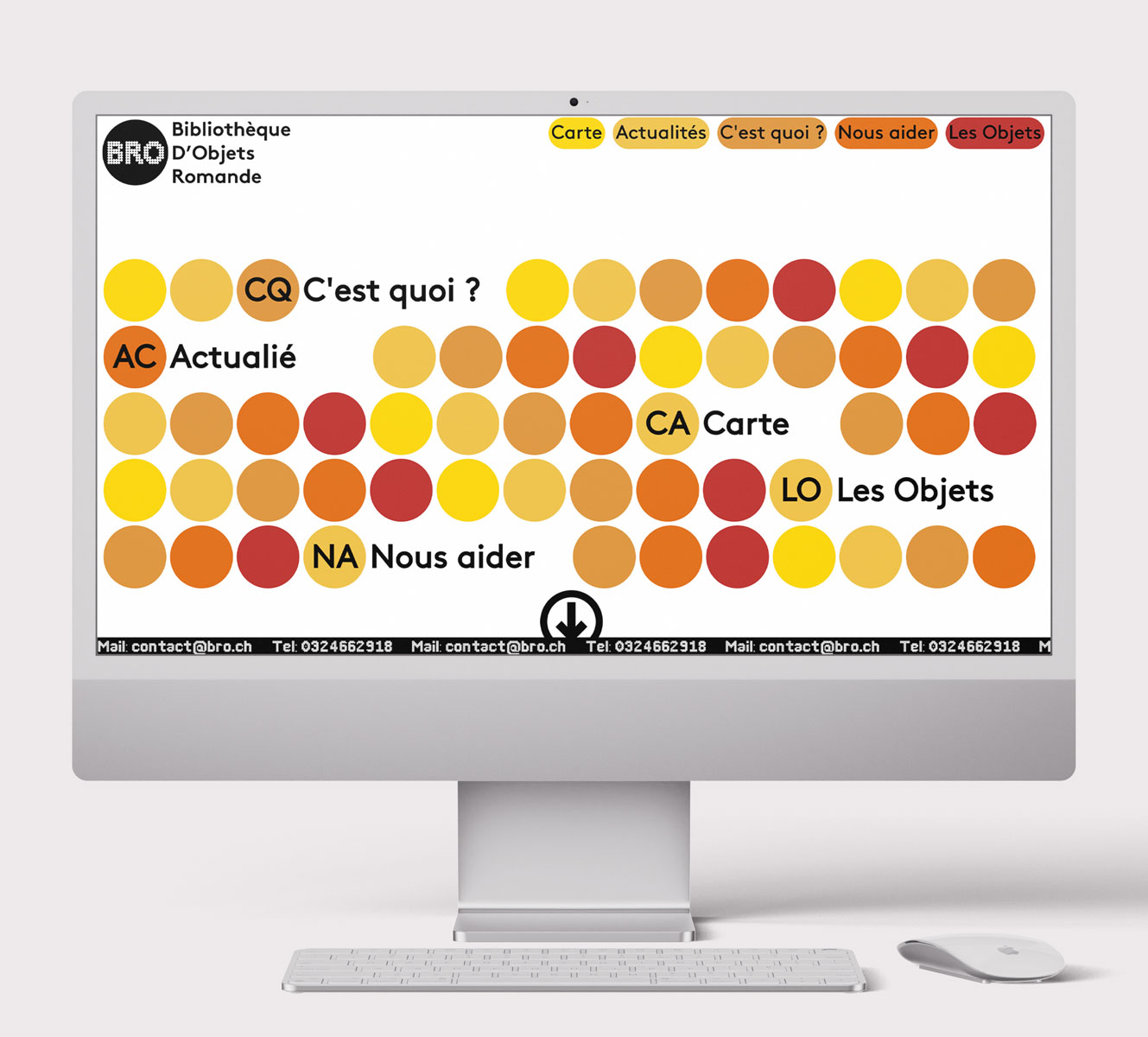
This project was created during my last year in La Chaux-de-Fonds. We had 120
hours to design the visual identity of a website that brings together all the Libraries of Things in the
French-speaking part of Switzerland.
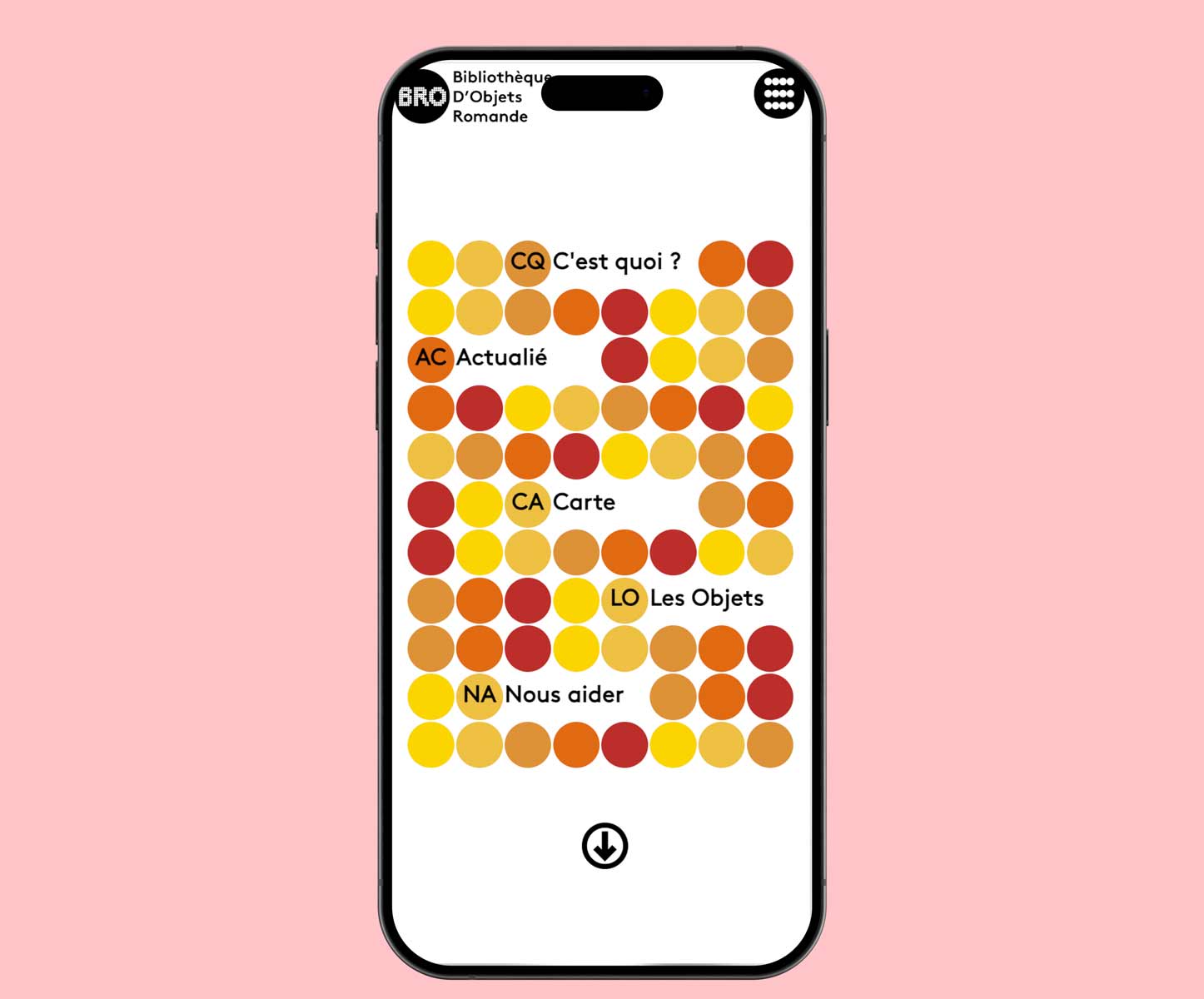
I wanted to highlight the fact that these initiatives are made by people, and that it is by sharing together
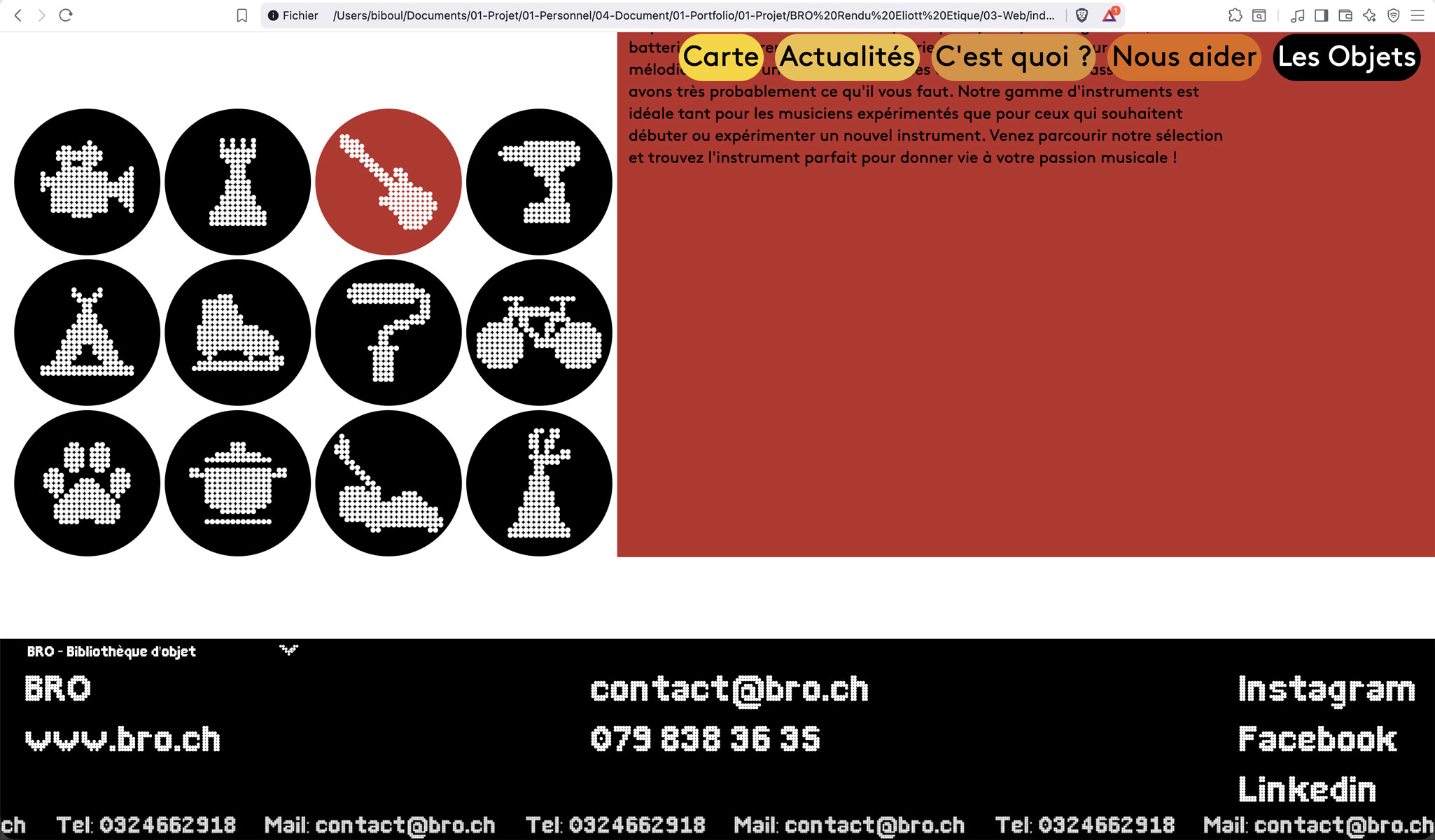
that we can build things. The circle is a central element of the identity: from the iconography to the
typography, circles appear everywhere.
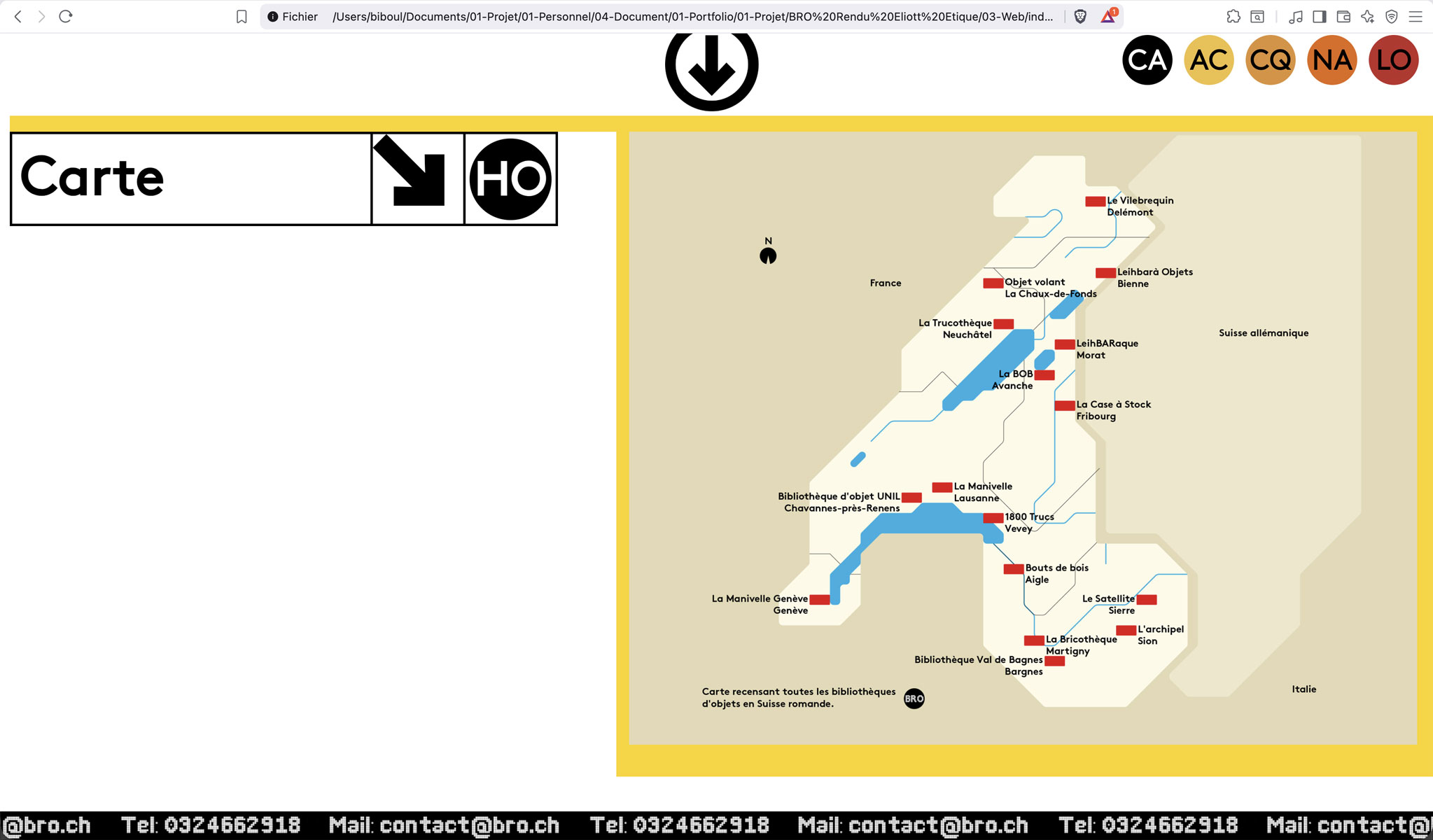
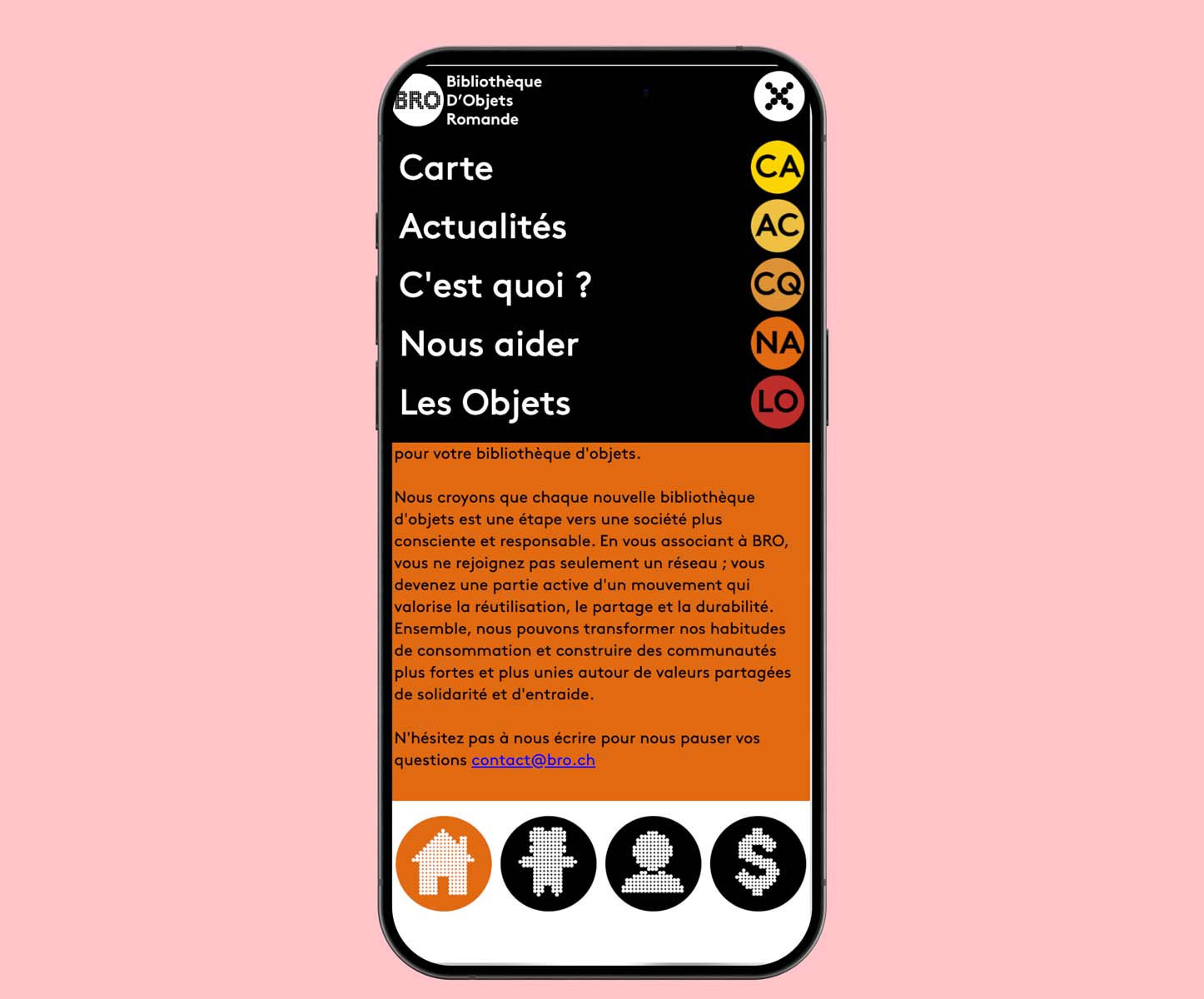
During this project, I designed a custom typeface, which can be seen on the lab page. My main inspiration
was the New York subway system, especially the way it plays with color and form, its focus on people, and
its origins in the 1970s. This influence is particularly visible in the map design.
For the video, I chose to make it look like a sitcom. This 1970s–1980s aesthetic was selected to represent a
counter-movement to the evolution of society: today, we buy everything, and connections between people are
becoming weaker and weaker. Sitcoms portray stories where people talk to each other, share, and interact,
and they often serve as a reflection or model for society.
Poster, website, video, logo, book
This project was created during my final year at CPNE, Applied Arts
department,
in La Chaux-de-Fonds. We were asked to produce a website, a video, and a research book based on the theme
of
heritage. I chose to focus on the idea of ecological heritage.
Functioning both as a time capsule and as a rock database, the website allows users to follow several
hikes
across Switzerland, accompanied by my thoughts throughout these walks. As a young Swiss person, sensitive
to
nature, living in a world where ecology is becoming less and less important, I felt the need to share my
time with future generations.
I imagined the end of nature as we know it, where minerals have become almost the only remaining elements
in
our landscapes. Our society having destroyed all traces of living beauty, this database aims to teach
people
how to recognize rocks and appreciate their specific characteristics.
The main pillar of the project is, of course, the website. The video accompanies it as a communication
tool,
particularly for social media. The research book is presented as a complete publication. It explains the
creation process of the project to an audience unfamiliar with graphic design and even includes several
elements that are not featured on the website.